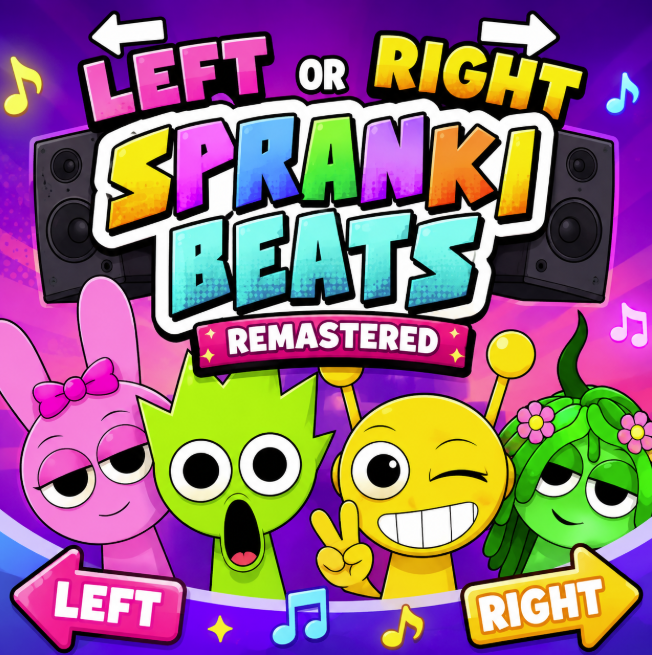
Left Or Right Spranki Beats
Left Or Right Spranki Beats Mods Game

1 Speed Keyboard Lucky Escape

Traffic Racing

Rider Rush
Sprunki Phase 9 Ggtp

Rooster Road

Please Do Not Feed The Sprunki Brud
Endacopia

Basketball Hit
Flying Car Game Police Games
My Talking Tom Cat But With Oren
Park Fever

Goalheads Io

Flip Or Fail
Classic Sudoku Puzzle

Skillful Finger
Tomb Of The Mask Neon

Boboiboy Galaxy Run

Sprunki Footlongs Sandbox
Hamster Maze
Blobade
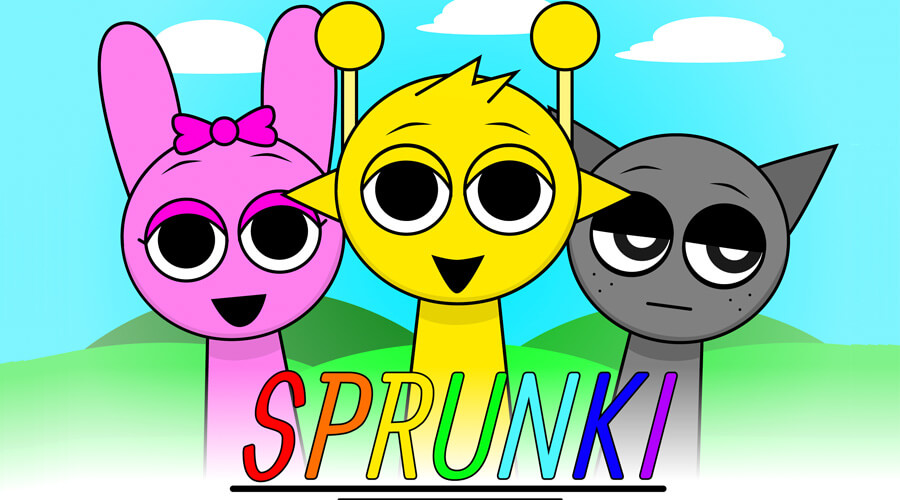

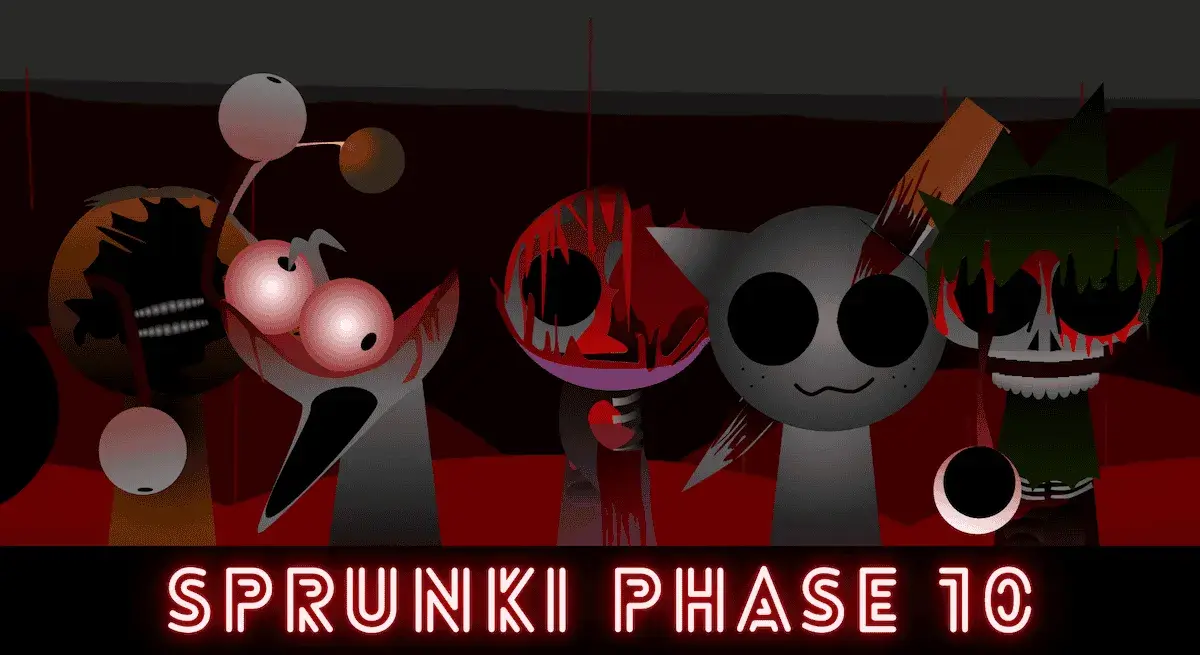
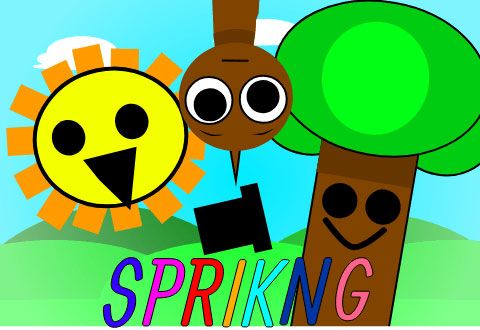
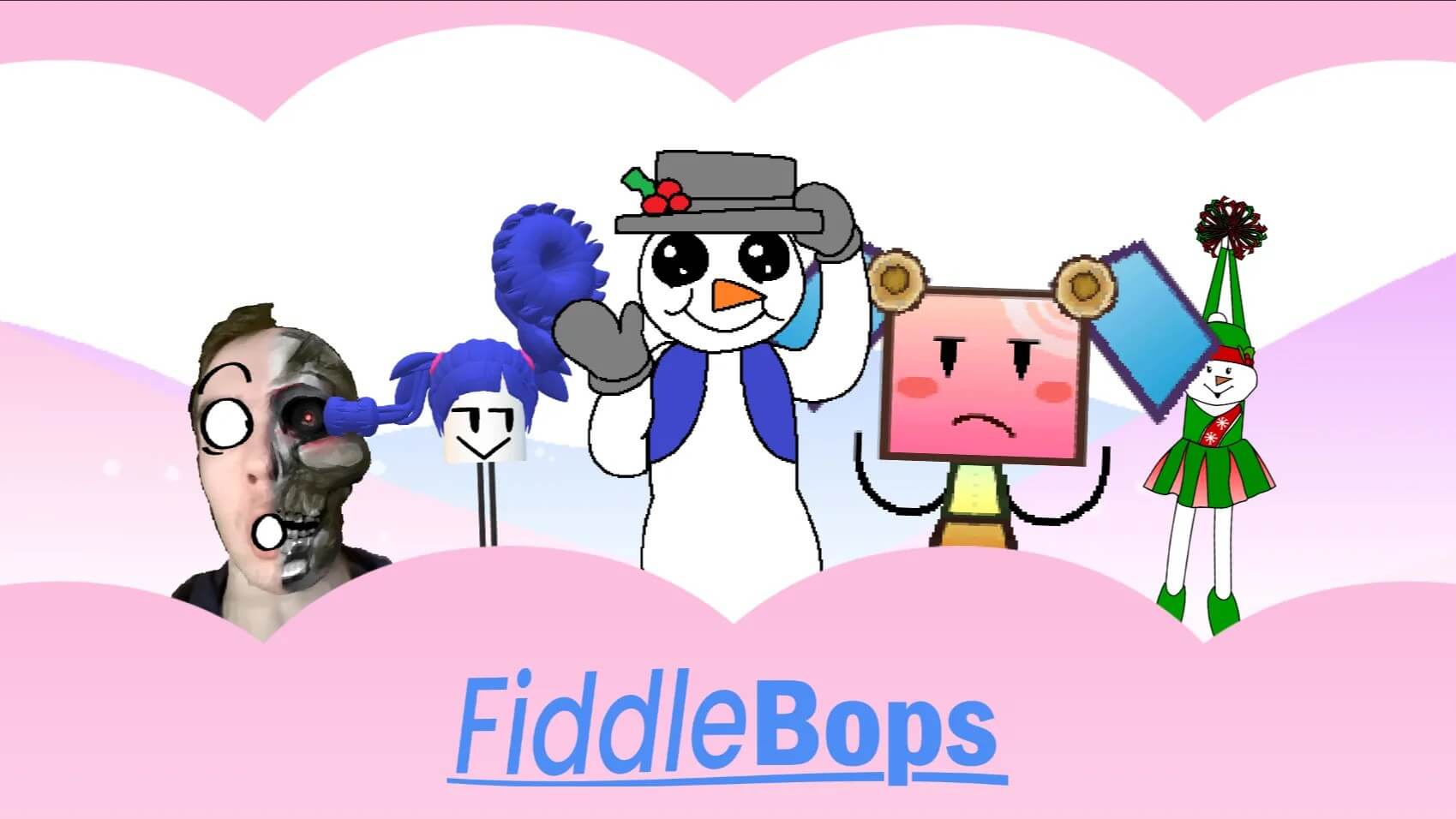
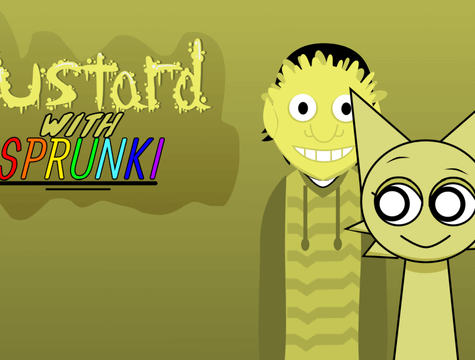
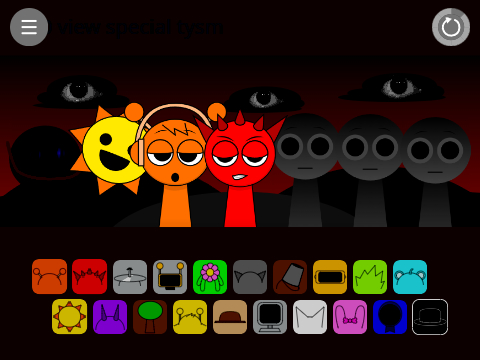
How To Play Left Or Right Spranki Beats
In Left Or Right Spranki Beats, every player is welcomed by a diverse array of tracks upon entering the game. It is advisable to start with a simpler track in order to grasp the core rhythm and become familiar with how cues gradually advance. The mechanics are straightforward: cues emerge on screen, signaling whether the player should opt for the left or right side. The appropriate side must then be chosen by tapping or pressing a key that corresponds to the left or right option. Timing is everything at this point of decision; the input must align with the beat's rhythm, rather than relying solely on recalling the sequence.
The initial level functions as an interactive tutorial, progressively introducing more cues and establishing the overall pacing. For newcomers, a straightforward approach is to focus on the projection area and await the flashing visual instruction. At that exact moment, pay attention to the musical beat and attempt to synchronize your input with it. If you merely tap as fast as possible without thought, your score will suffer; the game actively penalizes random button mashing. Instead, it prioritizes precise timing over raw speed. Across all modes, the underlying principle remains unchanged—select the left or right side whenever a cue appears—yet the form and character of those cues can vary significantly.
The Four Modes:
-
Left or Right (Classic) – This is the core, original mode. Cues are presented as arrows or textual indicators reading “LEFT” and “RIGHT.” The musical accompaniment and the visual signal are delivered simultaneously, offering a dual cue that helps you build an immediate connection between what you see and what you hear.
-
Sound-Only Mode – In this mode, explicit visual guidance is removed entirely. Instead, you hear a distinctive audio signal—for instance, a sound panned sharply to the left or right channel, or a melodic note emerging from a specific direction. Your task is to identify which side the sound originates from and respond accordingly. This mode sharpens your auditory perception and pushes your sensory reaction times to new limits.
-
Visual Prompt Mode – Here, the musical directional cues are suppressed, and the game relies exclusively on a visual signal, such as a flash of color or an object moving on one side. This demands near-instant subconscious processing, and the complexity escalates as the game speed increases.
-
Pattern Shift Mode – This mode blends elements of the previous ones. Tactile and visual cues may still be present, but the defining feature is that the rules can change mid-song—for example, you may suddenly be required to choose the opposite side, or the left and right orientations may become mirrored. This forces players to remain constantly alert to the evolving conditions.
Each mode preserves the apparent simplicity of choosing left or right, yet it refreshes the level of mental effort required. Regularly switching between these modes continuously exercises the brain's ability to differentiate and adapt.
Left Or Right Spranki Beats Wiki
Summary
Left Or Right Spranki Beats is a creative rhythm experience that reduces the genre to its fundamental concept: a single decision between two sides, perfectly aligned with the beat of the music. In contrast to typical rhythm games that rely on complicated button sequences, long scrolling note paths, or overwhelming visual effects, this title removes all excess and leaves only one essential question—will your next action be left or right? The outcome is a compelling fusion of quick reflexes, pattern recognition, and musical listening, capturing the excitement of a rhythm action game without requiring complicated controls or a crowded interface.
The concept is straightforward: while the music plays, the game presents cues that indicate which side of the screen should be selected. In its simplest form, the player chooses the correct side to match the signal. Because every action is tied to the accompanying song, each attempt maintains a steady rhythmic flow and creates a strong connection between what is heard and what is performed. The design philosophy is centered on accessibility—anyone can grasp the basic loop within moments—but the increasing tempo and shifting patterns ensure that experienced players will not find the game shallow. Every track carries its own rhythmic identity, forcing the player to absorb the beat and anticipate the next prompt. Later songs and advanced modes demand quick reactions, strong rhythmic intuition, and the ability to stay calm under pressure. With a clean and intuitive interface, clearly visible signals, and a compelling loop that becomes addictive almost immediately, Left Or Right Spranki Beats respects both newcomers and dedicated rhythm veterans, making it an easy recommendation for anyone seeking a fresh take on reflex-based music gaming.
How to Play
When you first enter Left Or Right Spranki Beats, you are met with a simple menu and a modest selection of songs. It is best to start with an easier track so you can become familiar with the controls and the timing. The gameplay itself is extremely direct: during a song, visual or auditory cues will appear to tell you whether to choose the left side or the right side. Your job is to press the matching button or tap the correct area at the exact moment the beat lands. The key is not to react as fast as possible, but to place each input precisely within the musical pulse. Instead of rushing your clicks, listen carefully to the groove and let your move fall naturally into the rhythm.
Each song uses a combination of directional sounds, on-screen flashes, or stereo panning to indicate which side to pick. The standard mode combines visual arrows with musical accents. A slow, steady tempo helps teach the fundamentals; later tracks introduce offbeat patterns and irregular accents that will challenge your ability to predict. To perform well, you need to develop both your peripheral vision and your sense of timing. A useful technique is to focus on the rhythm rather than staring at the cue, because the music often gives you the information you need before the visual prompt appears. This becomes especially important in the game’s four distinct modes, each of which adds a unique twist to the basic left/right decision:
- Classic Mode – Visual arrows are shown together with the musical beat. This is the ideal mode for learning how rhythm and response are connected.
- Sound Wave Mode – The prompts are delivered entirely through audio. A sound is played from either the left or right channel, and you must identify the side and respond accordingly. This mode sharpens your spatial hearing and auditory separation.
- Visual Glitch Mode – The music gives no directional information. Instead, you must rely on visual signals such as flashes, color changes, or moving icons. This mode demands intense concentration and quick visual processing.
- Shifted Mode – The rules can change during a track. For example, a prompt that normally means “left” may suddenly mean “right,” or the sides may be reversed. You must stay alert and continuously update your mental mapping, making this a true test of cognitive flexibility.
Each mode has its own learning curve, and players can switch between them to train different perceptual skills. Use the early tracks as practice; do not jump straight to the hardest difficulty, because building a solid internal sense of the beat is essential.
Key Features
- Simple Mechanics with Real Depth – Left Or Right Spranki Beats uses only two buttons, which makes it instantly approachable. However, mastering the precise timing required for complex beat patterns and unusual syncopations will challenge even the most experienced players.
- Four Distinct Game Modes – Instead of offering a single experience, the game provides four different ways to play. This variety not only keeps the game fresh but also allows players to focus on specific skills, such as listening, visual tracking, or adapting to changing rules.
- Rhythm-Focused Progression – Every song is a self-contained test of your ability to stay in sync with the music. The patterns are designed to flow logically without becoming too predictable, keeping you in a state of active anticipation.
- Well-Balanced Difficulty Curve – The early stages serve as a tutorial, with simple prompts and slow beats. As you advance, the music becomes faster, the structures become less predictable, and the patterns become more complex, including faded cues and false signals. This creates a steady but rewarding progression.
- Clean and Uncluttered Interface – From the song selection screen to the gameplay itself, the interface remains minimal and easy to read. The prompts are prominent, and there is no unnecessary information—just you, the music, and the choice between left and right.
- Strong Replay Value – Because the challenge is directly tied to your coordination, replaying a track lets you see measurable improvement. It also helps you learn the structure of each song, making repetition genuinely rewarding.
Precautions/Tips
To get the most out of Left Or Right Spranki Beats, consider the following advice from experienced rhythm players:
- Timing matters more than speed. Do not worry about how quickly you click. A well-timed click that lands exactly on the beat is far more valuable than a frantic click that misses the rhythm. Your goal is to match the musical pulse, not to set a reaction speed record.
- Avoid staring too intensely at the screen. If you fix your eyes on the exact spot where the prompt appears, you may notice it faster, but your brain still needs to process both the visual and auditory information. A relaxed, broad gaze allows the data to flow more naturally and makes your responses smoother.
- Listen for changes before you act. The music often hints at what is coming next. A shift in the rhythm, a hi-hat pattern, or a bass drop can signal that the pattern is about to change. Use these cues to prepare yourself.
- Start with slow, steady songs. There is no shame in staying with beginner tracks until you can consistently hit “perfect” timing. That consistency is the foundation for handling faster modes.
- Master one mode before moving to another. For example, spend time in Classic and Sound Wave modes until you feel comfortable. This helps you focus on the core rhythm-sync mechanic before adding extra challenges.
- Adapt your sensory focus. If a mode feels too difficult, such as Sound Wave Mode, reduce visual distractions in the room and play a few easier tracks to train your ears. Conversely, if you rely too heavily on the music, use Visual Glitch Mode to sharpen your visual attention.
- Take regular breaks. Playing for long periods can cause mental fatigue, and your reaction times will actually get worse. Take a short rest after every few tracks to keep your mind fresh.
- Be patient. Rhythm skill is not developed overnight. Consistent, intentional practice—rather than mindless restarts—will produce the most significant improvement.
Left Or Right Spranki Beats is a captivating meta-rhythm title that merges extreme simplicity with substantial complexity. It stays true to the essential elements of rhythm gaming—timing, memorization, and anticipation—while presenting them through an uncomplicated two-button design. Veterans will find the harder modes a genuine measure of their reflexes, and newcomers will appreciate the gentle onboarding and clear tutorials. The genuine delight comes from that fleeting instant when the beat and your decision lock together seamlessly. So choose a side, stay focused, and allow the music to lead the way.
Left Or Right Spranki Beats Frequently Asked Questions
Q: What is Left Or Right Spranki Beats?
A: It is a music-based game that blends engaging melodies, fast reflexes, and straightforward directional decisions. As the soundtrack plays, you watch for on-screen cues and pick the appropriate side at the precise moment.
Q: What is the main objective in Left Or Right Spranki Beats?
A: The primary goal is to choose either left or right based on the cues displayed on the screen, making your selection in sync with the musical beat.
Q: Does Left Or Right Spranki Beats require complicated controls?
A: No. There are no complex inputs involved; you simply listen to the music, observe the prompts, and choose the correct direction.
Q: Is Left Or Right Spranki Beats suitable for beginners?
A: Absolutely. The mechanics are easy for newcomers to grasp, and the opening tracks are designed to introduce players to the core gameplay gradually.
Q: Does the difficulty increase in Left Or Right Spranki Beats?
A: Yes. The tempo of the sequences gradually ramps up, and later songs demand faster reactions and a stronger sense of rhythmic awareness.
Q: How many gameplay modes does Left Or Right Spranki Beats offer?
A: It includes four distinct play modes. Depending on the mode, you might need to respond to musical cadences, react to audio cues, track visual indicators, or handle shifting patterns.
Q: How do the four modes differ?
A: Each mode adds a unique twist to the basic left/right selection mechanic, so the gameplay never becomes dull or repetitive. Depending on the mode, you may react to musical rhythms, respond to sounds, follow visual prompts, or cope with evolving patterns.
Q: How should a beginner start playing Left Or Right Spranki Beats?
A: Start with a simpler track and keep your attention on the incoming cues. When the game signals left, choose the left side; when it signals right, choose the right side. Aim to make your selection in time with the beat.
Q: What should players do if a pattern becomes confusing?
A: Take a mental step back and focus on one cue at a time rather than trying to process everything at once.
Q: What is more important in Left Or Right Spranki Beats: speed or timing?
A: Proper timing matters far more than raw speed. Listen closely to the music so you